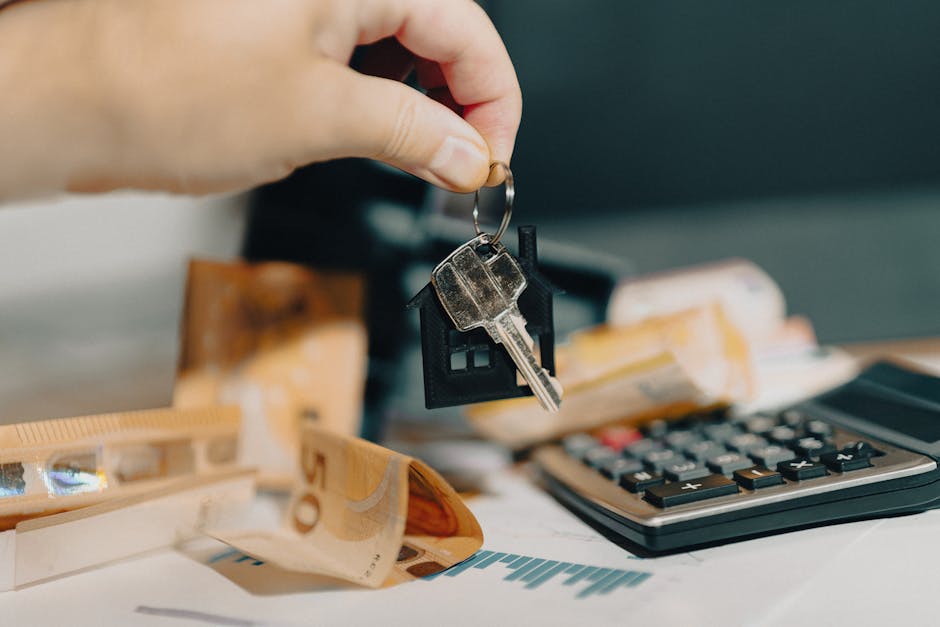
The internet has revolutionized the rental market, providing prospective tenants with unprecedented access to properties across vast geographical distances. However, this ease of access has also opened the door to sophisticated and increasingly prevalent rental scams. Recognizing these fraudulent schemes and adopting proactive preventative measures are crucial for safeguarding your financial well-being and securing legitimate housing. This comprehensive guide delves into the intricacies of online rental scams, equipping you with the knowledge and tools necessary to navigate the digital rental landscape safely.
1. Spotting Red Flags: Decoding Suspicious Listings
The first line of defense against rental scams lies in recognizing the telltale signs embedded within fraudulent listings. Be acutely aware of the following red flags that often indicate a scam:
-
Unrealistically Low Prices: A price that seems too good to be true almost always is. Scammers often lure unsuspecting victims with significantly lower rents than comparable properties in the same area. Research average rental rates for similar properties to establish a realistic benchmark and identify outliers that warrant closer scrutiny. Use websites like Zillow, Apartments.com, or local real estate portals to compare prices.
-
Poor Grammar and Spelling: Legitimate property managers and landlords typically invest in professional listings with accurate and polished language. Scammers, often operating from outside the country, frequently exhibit poor grammar, spelling errors, and awkward phrasing, which should immediately raise suspicion.
-
Vague or Generic Descriptions: Beware of listings that offer minimal details about the property, focusing instead on enticing but generic language about the location or amenities. Legitimate landlords will provide specific information about the property’s features, layout, and condition. Phrases like “great location” or “close to everything” without concrete examples should trigger further investigation.
-
Pressure to Act Quickly: Scammers often create a false sense of urgency to pressure potential renters into making hasty decisions before they have a chance to thoroughly investigate the property or the landlord. Phrases like “limited time offer” or “act fast, this property won’t last” are common tactics.
-
Requests for Money Upfront Before Seeing the Property: A legitimate landlord will typically allow prospective tenants to view the property in person before requiring any payment, such as an application fee or security deposit. Requests for money upfront without a viewing are a major red flag and should be avoided at all costs. Insist on seeing the property in person or via a virtual tour before proceeding with any payment.
-
The “Overseas Landlord” Excuse: This is a classic scam. The supposed landlord claims to be out of the country for work or personal reasons and is unable to show the property in person. They may offer to send the keys after you send a security deposit, which, of course, you will never receive back.
-
Requests for Unusual Payment Methods: Legitimate landlords typically accept payments through verifiable methods such as checks, credit cards, or secure online platforms. Scammers often prefer unconventional and untraceable payment methods, such as wire transfers (Western Union, MoneyGram), gift cards, or cryptocurrency. These methods offer little to no recourse for recovering your funds if you are scammed.
-
Use of Stock Photos or Photos of Different Properties: Scammers may use stolen photos of properties that are not actually available for rent or that do not match the description. Use reverse image search tools (Google Images, TinEye) to verify the authenticity of the photos and ensure they are not being used on other listings.
-
Refusal to Provide Contact Information or Answer Questions: A legitimate landlord will be readily available to answer your questions and provide contact information for verification. Scammers may be evasive or refuse to provide their phone number, address, or other identifying information.
2. Conducting Thorough Due Diligence: Verifying the Legitimacy of the Landlord and Property
Once you have identified a potential property, it is crucial to conduct thorough due diligence to verify the legitimacy of the landlord and the property itself. This involves several key steps:
-
Research the Landlord or Property Management Company: Search the landlord’s name, phone number, and email address online to see if there are any complaints or negative reviews. Check with the Better Business Bureau (BBB) to see if the landlord or property management company has a good rating and no outstanding complaints. Look for a verifiable online presence, such as a website or social media profile.
-
Verify Ownership of the Property: Public records can be used to verify who owns the property. Contact the local county recorder’s office or tax assessor’s office to access property records and confirm that the person claiming to be the landlord is indeed the legal owner of the property.
-
Speak to Previous or Current Tenants: If possible, try to speak to previous or current tenants of the property to get their feedback on the landlord and the property’s condition. This can provide valuable insights into the landlord’s management style and any potential issues with the property.
-
Inspect the Property in Person (or Virtually): Always insist on seeing the property in person before signing a lease or sending any money. This allows you to assess the property’s condition, verify that it matches the description in the listing, and meet the landlord in person. If an in-person viewing is not possible, request a virtual tour via video conferencing.
-
Review the Lease Agreement Carefully: Before signing a lease agreement, read it carefully and make sure you understand all the terms and conditions. Pay attention to details such as the rent amount, security deposit, lease term, rules and regulations, and termination clauses. If you have any questions or concerns, consult with an attorney or tenant rights organization.
-
Beware of Fake Listings on Reputable Websites: Scammers often create fake listings on legitimate rental websites by stealing information from other listings or posing as the property owner. Even if you are using a reputable website, it is still important to conduct your own due diligence to verify the legitimacy of the listing.
3. Protecting Your Personal and Financial Information: Safeguarding Against Identity Theft
Rental scams often involve attempts to steal your personal and financial information for identity theft or other fraudulent purposes. Protect your sensitive information by following these guidelines:
-
Be Cautious About Sharing Personal Information: Be wary of providing your Social Security number, bank account information, or other sensitive personal information until you have thoroughly verified the legitimacy of the landlord and the property. Legitimate landlords typically only require this information during the application process, after you have viewed the property and decided to proceed.
-
Use Secure Payment Methods: Avoid using unconventional and untraceable payment methods such as wire transfers, gift cards, or cryptocurrency. Instead, opt for secure payment methods such as checks, credit cards, or secure online platforms. These methods offer greater protection against fraud and provide recourse for recovering your funds if you are scammed.
-
Be Aware of Phishing Attempts: Be wary of unsolicited emails or phone calls from individuals claiming to be landlords or property managers. Scammers may use phishing tactics to trick you into providing your personal information or clicking on malicious links. Verify the legitimacy of any communication before responding or providing any information.
-
Monitor Your Credit Report: Regularly monitor your credit report for any signs of identity theft or fraudulent activity. You can obtain a free copy of your credit report from each of the three major credit bureaus (Equifax, Experian, and TransUnion) once a year.
-
Use Strong Passwords and Enable Two-Factor Authentication: Protect your online accounts by using strong, unique passwords and enabling two-factor authentication whenever possible. This adds an extra layer of security to your accounts and makes it more difficult for scammers to access your personal information.
4. Reporting Rental Scams: Contributing to a Safer Rental Market
If you suspect that you have encountered a rental scam, it is important to report it to the appropriate authorities. This helps to prevent other potential victims from falling prey to the same scam and contributes to a safer rental market.
-
Report to the Federal Trade Commission (FTC): The FTC is the primary federal agency responsible for investigating and prosecuting fraud and scams. You can file a complaint online at ftc.gov/complaint.
-
Report to the Internet Crime Complaint Center (IC3): The IC3 is a partnership between the FBI and the National White Collar Crime Center that investigates internet-related crimes. You can file a complaint online at ic3.gov.
-
Report to the Website Where You Found the Listing: Most reputable rental websites have a mechanism for reporting fraudulent listings. Report the scam to the website so they can remove the listing and take action against the scammer.
-
Contact Your Local Law Enforcement Agency: If you have suffered financial loss as a result of a rental scam, contact your local law enforcement agency to file a police report.
-
Warn Others: Share your experience with others to raise awareness about rental scams and help prevent them from becoming victims. Post about your experience on social media, online forums, or review websites.
By remaining vigilant, conducting thorough due diligence, and reporting suspicious activity, you can protect yourself from online rental scams and contribute to a safer and more transparent rental market for everyone. Remember, knowledge is your strongest weapon in the fight against fraud.